Venturing into No Till Gardening

So, in the time I lived here, I’ve noticed that the ground is basically a solid piece of water-holding clay with a nice underlayment of rock. Not the best place for root veg, etc, and whenever I want something to survive I am basically left trying to till the top few feet just so the ground moves and is aerated, and mixing in a bit of homemade compost and garden soil (soil a la Miracle Grow – also not ideal). Not the cheapest or most natural method, but I feel a bit like we are rehabilitating some sun compacted soil, so I do what I do.

That being said, I started using raised beds and containers to grow some of the veg, and that has been much easier. Additionally, I LOVE elevated beds. They don’t hurt my back like working in the ground.

This year I’d been listening to people talk about no till gardening, and quite honestly I figured it was a bunch of goofiness. How am I going to break up my soil if I plant right in it? How do I get rid of the weeds? Etc?

Once I researched it more, I realized that by tilling, I am really hurting our soil more than helping. I thought I was doing it a favor by introducing air, but apparently I’m also destroying little bug and microbe cities worse than King Kong during a temper tantrum. YIKES.

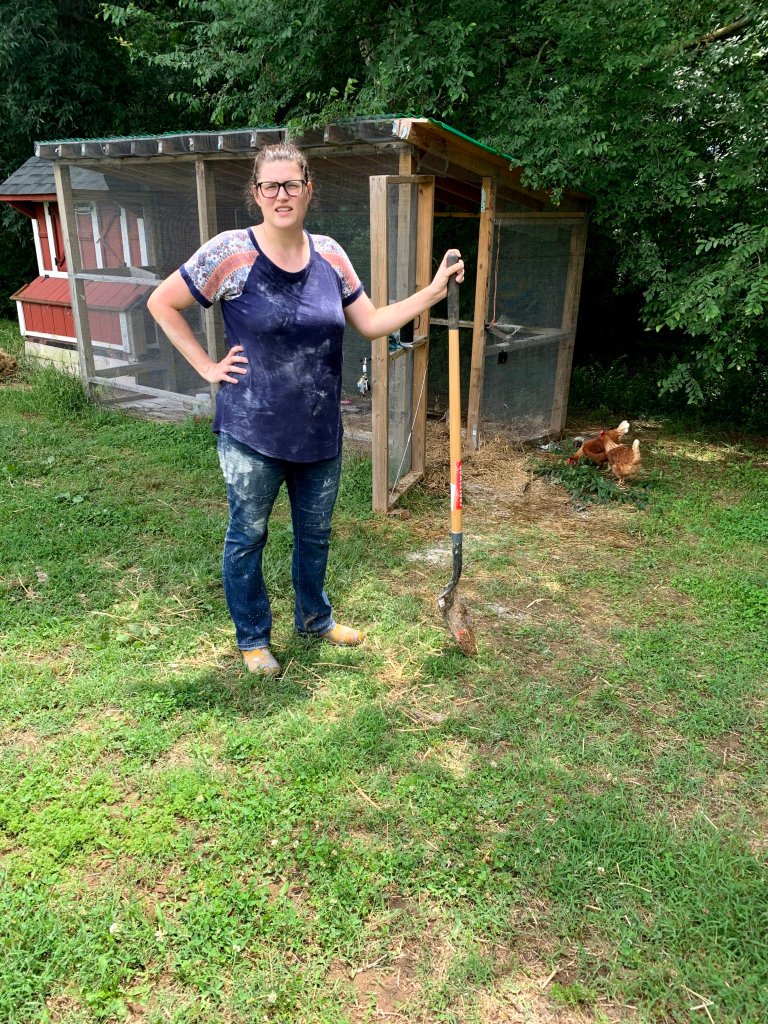
Additionally and sort of in parallel to this research, I wanted to grow corn this year, and I thought I’d till up a regular garden plot. Well, I did, and I failed. Our poor little Amazon tiller barely made a dent in our concrete dirt, and my chickens picked over what was left…at this point, frustrated, I thought there had to be a better way, and that led me to dig deeper (pun not intended) into the whole no till thing, because I now hate my tiller (sorry, tiller).
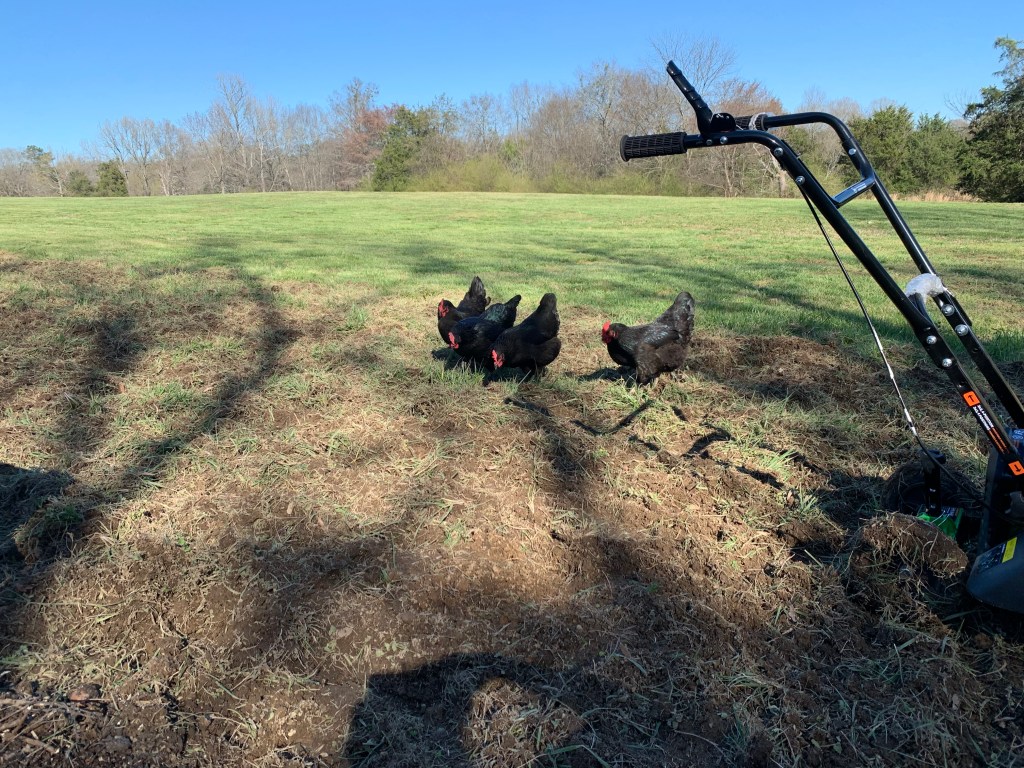
Scene of the crime.

Come to find out, I’ve been no till gardening for a while for our garlic, lettuce, etc (lettuce because slugs are GROSS), and I found this great article that I am going to try to use for my 3 Sisters garden, which is basically a Native American inspired garden that uses corn for the trellis, beans to add nitrogen, and squash in a companion-like arrangement.

No Till Gardening: https://donotdisturbgardening.com/how-to-start-a-no-till-garden-a-complete-step-by-step-guide/

The article above, from Donotdisturbgardening.com, has an option to use bagged dirt on top of compacted dirt, and then to basically remove the bags at season’s end and start building compost layers to rehab the dirt. I LOVE THIS. No tiller needed, and it makes measuring super easy. Seeing as I’m spending a lot of money on dirt (funny enough, my biggest expense this year for the garden), I would love to be able to add compost amendments and not have to keep adding dirt long term.

Side note: bulk dirt is cheaper than bagged (in theory), but we can’t use bulk because I’m fighting a years’ long war against fire ants, which LOVE when I get new dirt (fresh meat, they say). I’ve been trying not to use more chemicals than necessary, so I use a mound treatment with a short half-life. Since I’m not using broadcast pesticide, it has been a long battle, but I’m getting there!

One of the no till options was a container garden. I started with grow bags, raised beds, and elevated planters a few years ago, and have been adding to them as I can.

It has been my experience that the grow bags dry out faster, but on the flip side they don’t hold water, and if you add perlite or keep them out of blasting sun you should be fine. That’s why mine are next to the workshop. They are shielded from late afternoon sun.
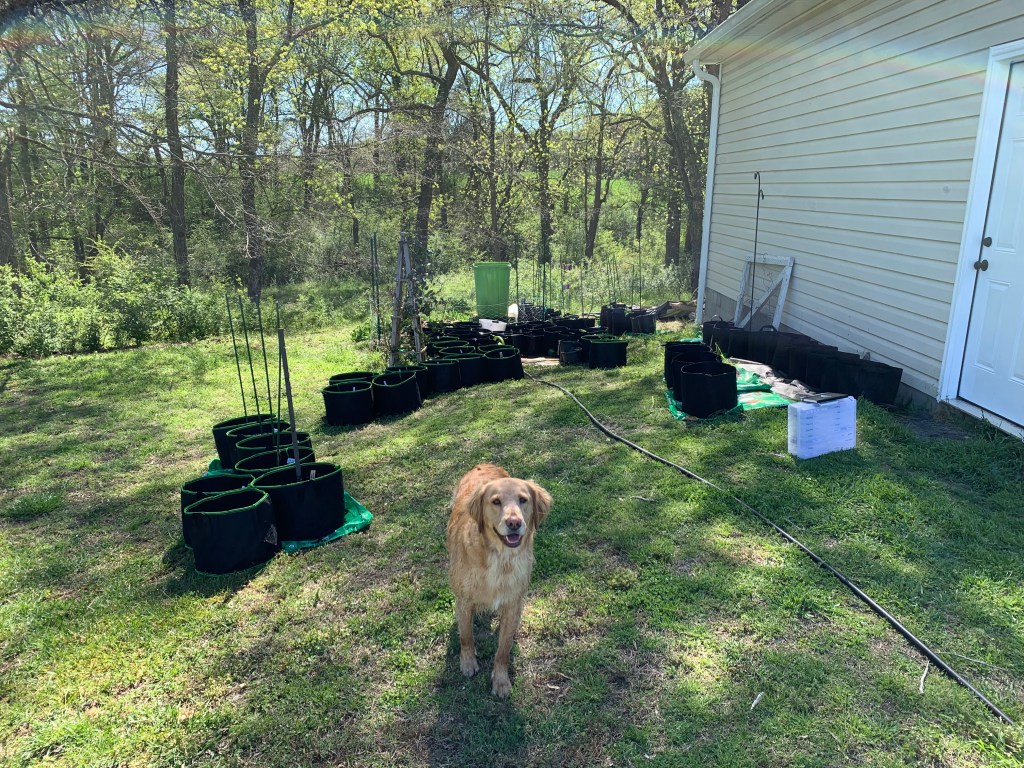
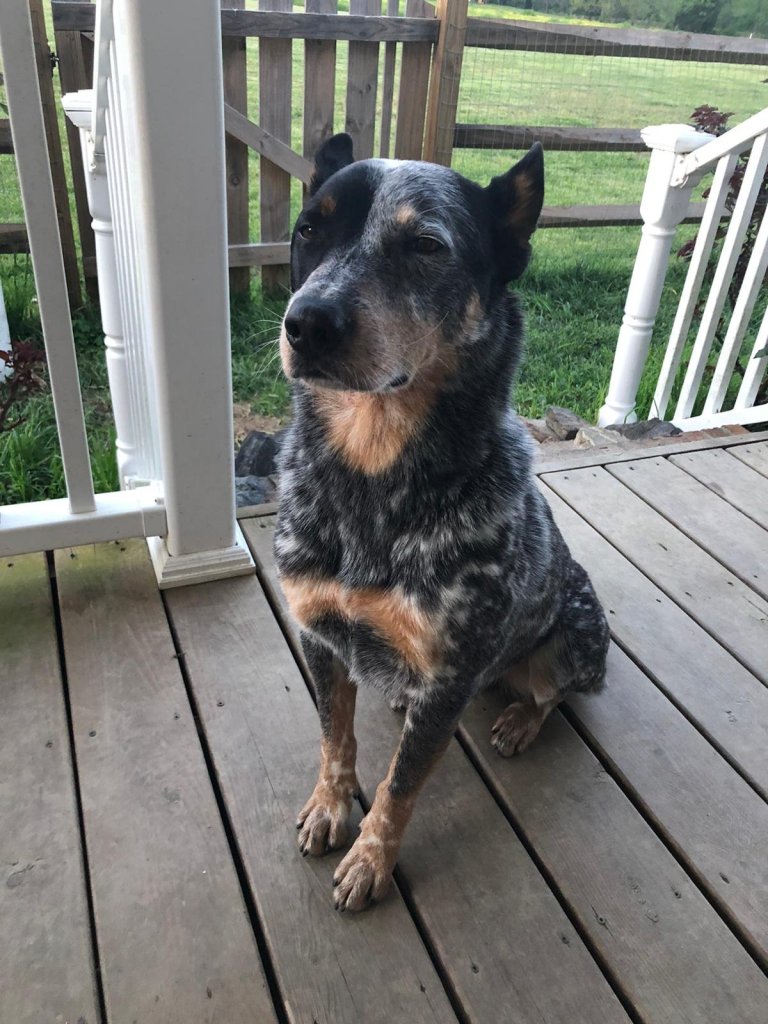
My grow bag garden. The white container is a photo organizer that I used to keep seeds in order, and Gracie is my garden doggo. She says hi!

In any case, I’m waiting on a shipment of soil to do my 3 Sisters garden, and I fully plan to reuse my Amazon boxes to add compost layers and paper mulch. I’m trying to taper off what I buy commercially, so one of my challenges is to be more self-sustainable. I’ll keep you posted on the 3 Sisters progress.

If you have ideas on the fire ant situation or on sourcing cheap/better dirt, holler.

-Katie

Snakes and the Homestead

An inevitable part of living in the country – snakes. We have, so far, encountered a water snake, a copperhead, a king snake, and a rat snake.

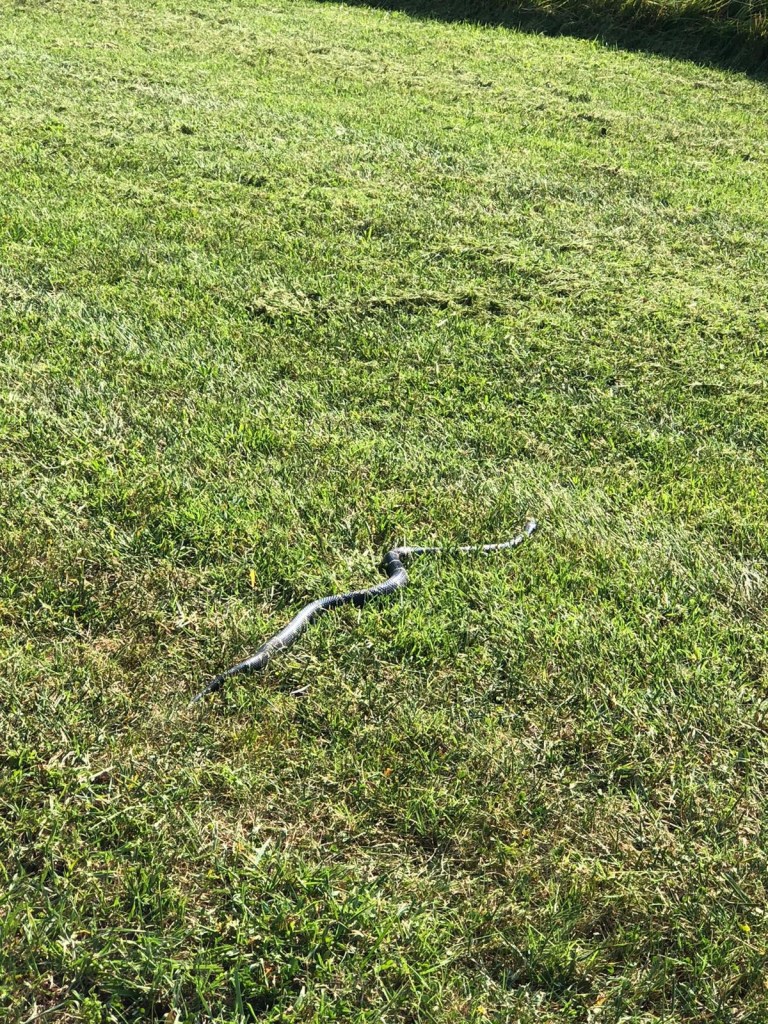
The King Snake was our most recent sighting. Last week Marco ran across this guy in the yard. King Snakes are fantastic. They eat other (many times poisonous) snakes and are generally non-aggressive and harmless to people. He has bands around his body all the way down, which is how I knew he was a King. He measured around 4 feet long in this picture.

King Snake

Below is Herbie. This picture is from a few months ago. We love Herbie, because he has (so far) left the eggs alone, but likes to take up residence in the workshop and go after the mice. Win-win! They can occasionally go after small chicks (and so can mice), so we raise all of our feather babies in the garage until they are 5-6 weeks old.

This picture was taken because we’d never seen him so close to the coop, but he passed right on by and didn’t bother the ladies.

Rat Snake. We call him Herbie.

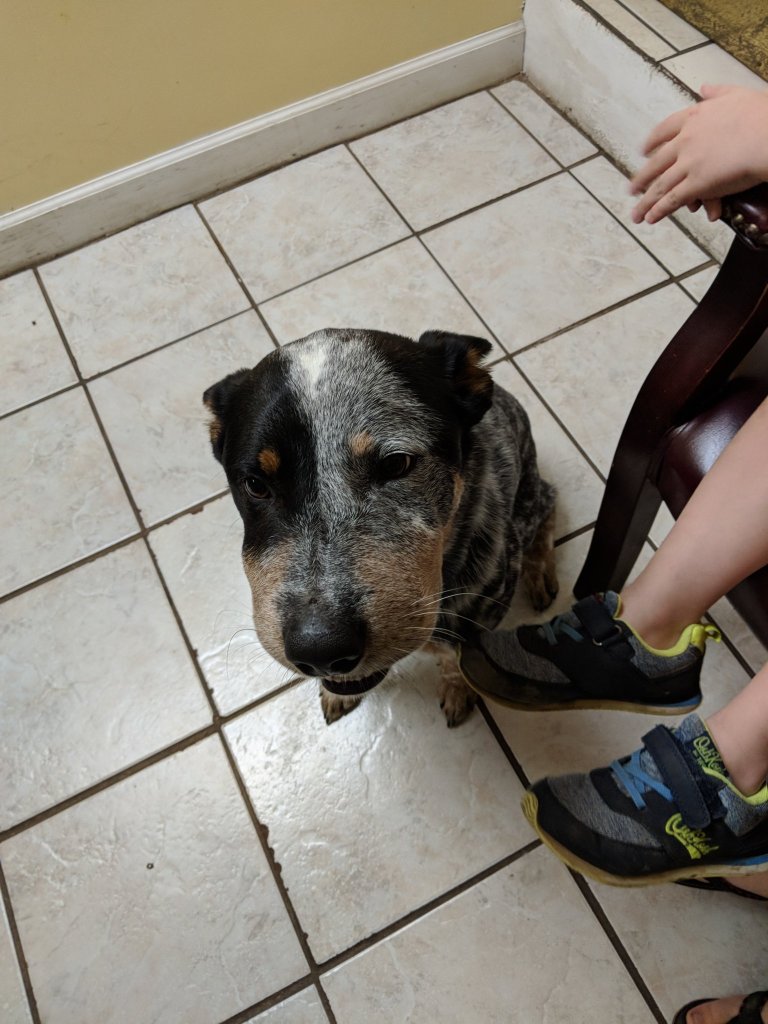
We have, unfortunately, also had to deal with a copperhead. While our family didn’t see it, our dog, Rocky, had a nasty bite from one a few years ago, right after we moved in. We rushed him to the vet, who gave him some medicine for his blood. Apparently, copperheads are not immediately dangerous to dogs in most cases, but over time their venom can cause problems with their blood if they are not immediately treated. Happy to say Rocky is happy and well a few years later.

Poor Rocky. Glad he recovered pretty quickly!

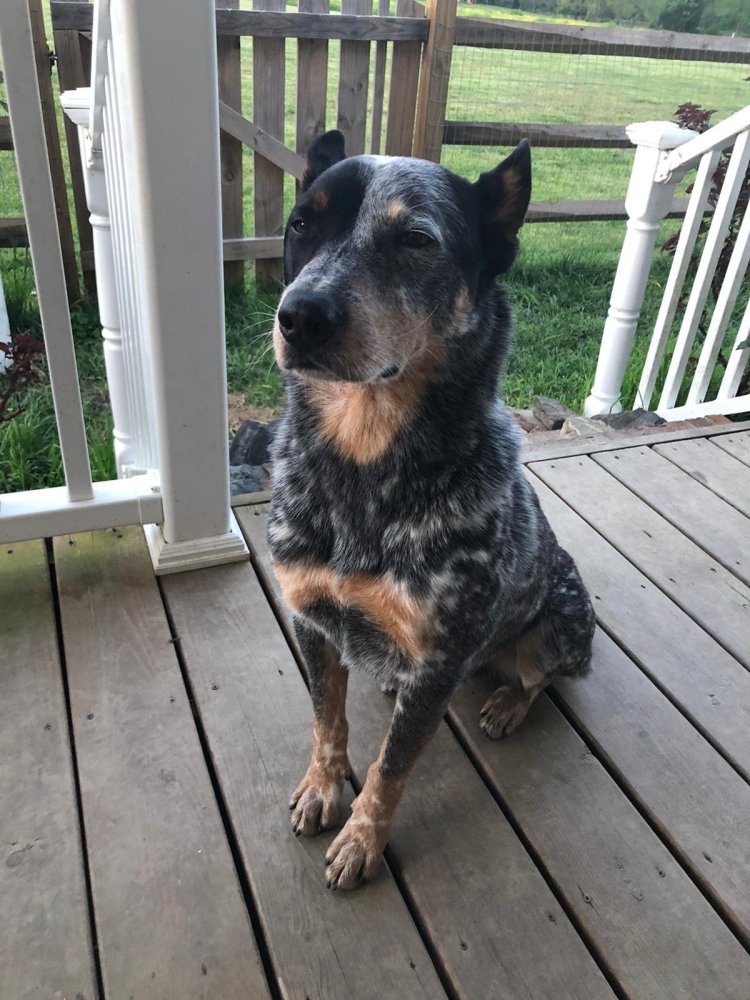
Picture of Rocky on a normal day, so you can see the difference.

Cool Rocky is cool. I absolutely love this picture of my boy.

When we moved into our home I was pretty scared of snakes. Knowing that there were good ones and bad ones, I needed to know how to tell the difference. While I’m not on Facebook any longer, they have some great snake ID groups and there are several people who will help with IDs. My main takeaways were that most snakes are not dangerous, so when in doubt, stay away and leave it alone.

Here is a link to one of the Facebook groups I was a member of.

Copperheads are definitely dangerous, along with cottonmouths and a few others, such as the timber rattler (all based on my state). Copperheads are gorgeous and are almost pink-colored, with hershey kiss brown spots all the way down their back.

If you click on the NC ID page you will see a copperhead in the header image. I used to have a really good picture of one from a hike I was on, but I can’t find it today! I’ll add it if I see it.

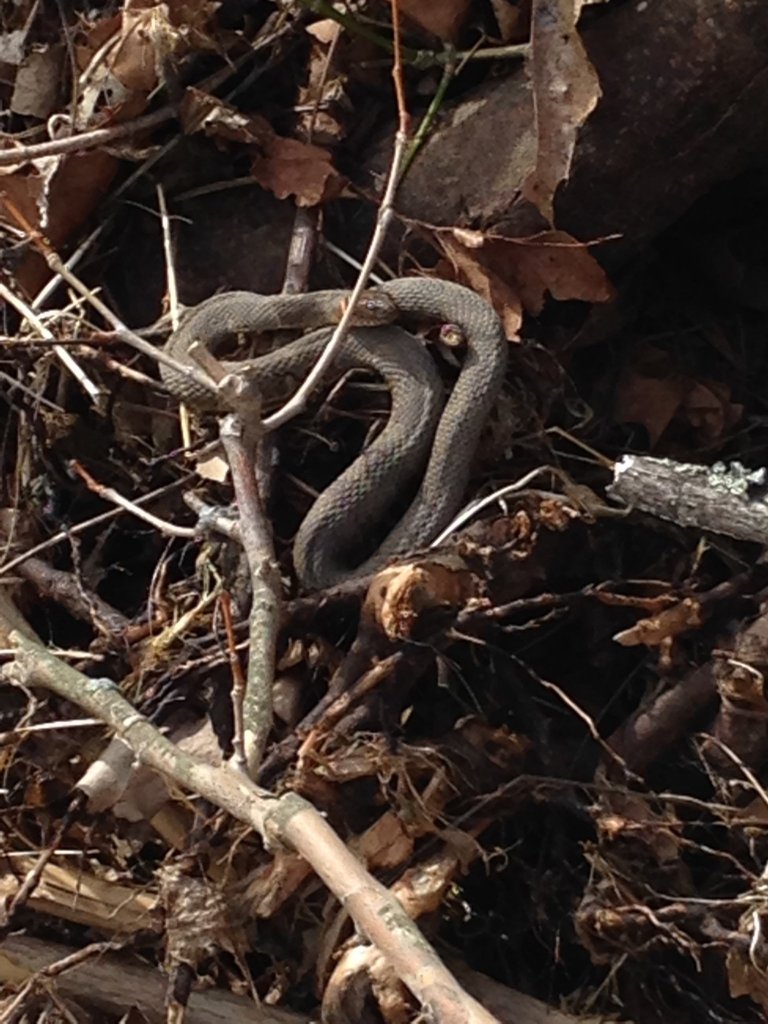
I will end with this cute little guy chillin’ at a creek in KY (our old house).

Can’t see me! I’m in camo!

The Realities of Working Outside in the Summer

North Carolina is a heck of a state in the summer. We live on the southern edge, four miles from the South Carolina border. As I was sending a friend yet another do you have any idea how my garden punished me today picture I thought it might be fun to do a storyboard, of sorts, for the blog. These photos are all me, and are compiled from the last few years.

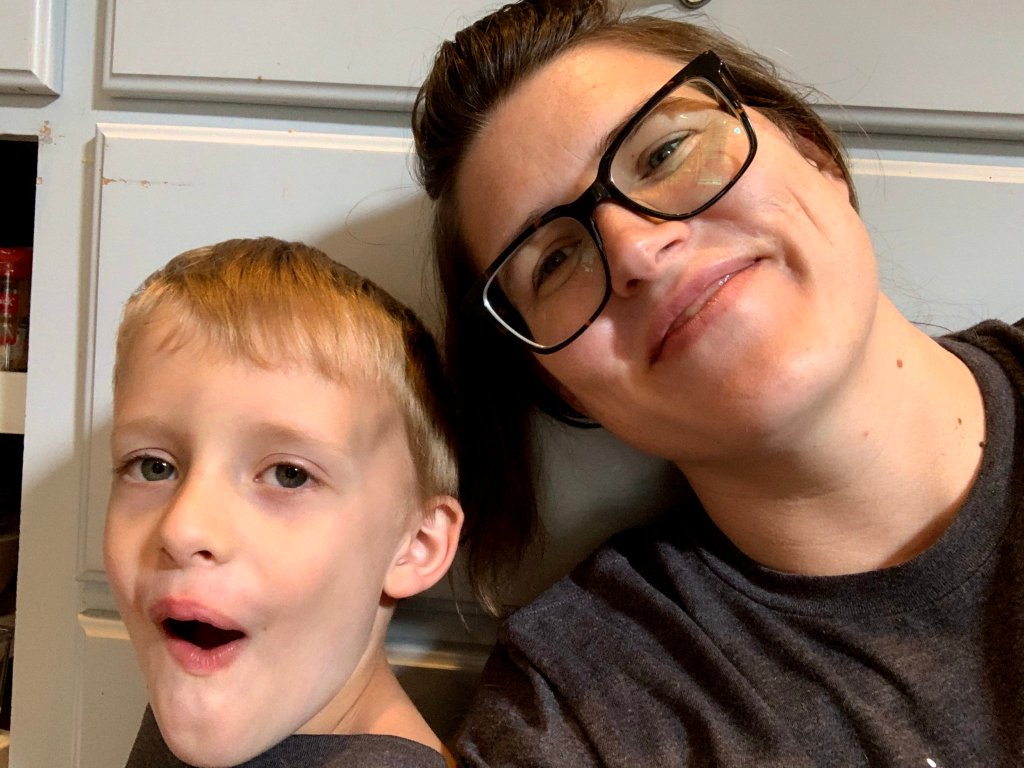
Hey bud, should we go outside and garden? Why, yes, that sounds fun! Says Derrick.
Jumping Dog Farm’s namesake, Rocky, says that would be fun, too.
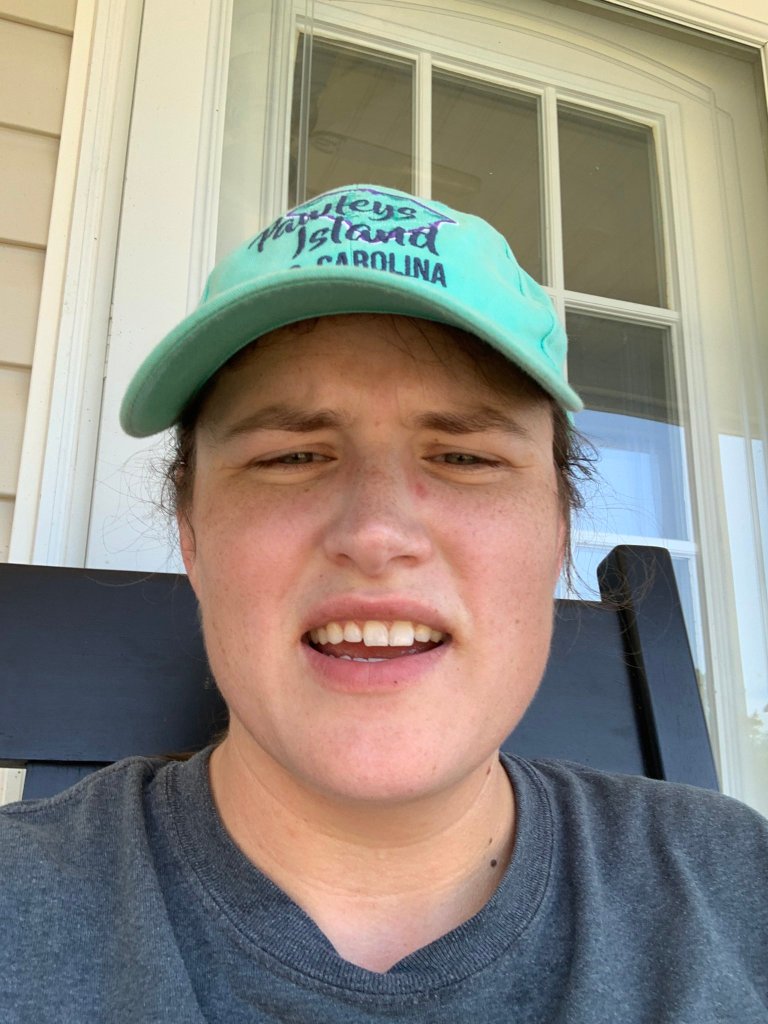
Seems like hat weather. Looks hot. Is this a good hat?
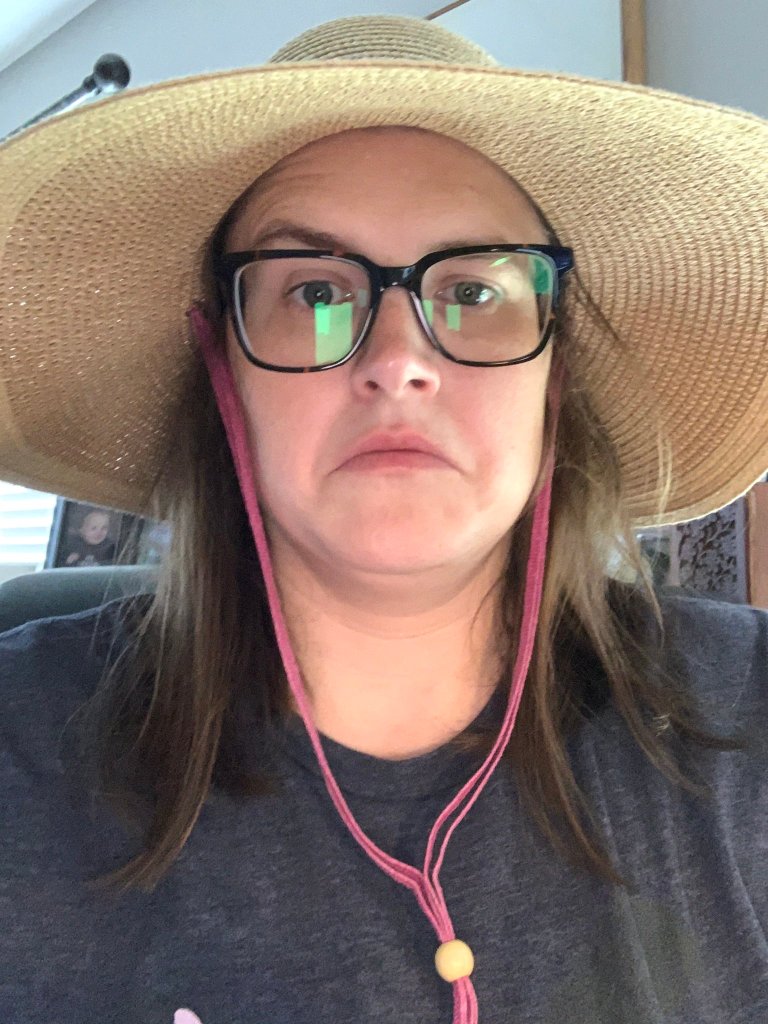
Hmmm….105 degrees with heat index. Nah, I better go full throttle. Time for the straw hat. Full brimmage.
Lost the hat, but chickens are done!
Got that farmer’s tan full force! Good luck helping THAT sucker even out.
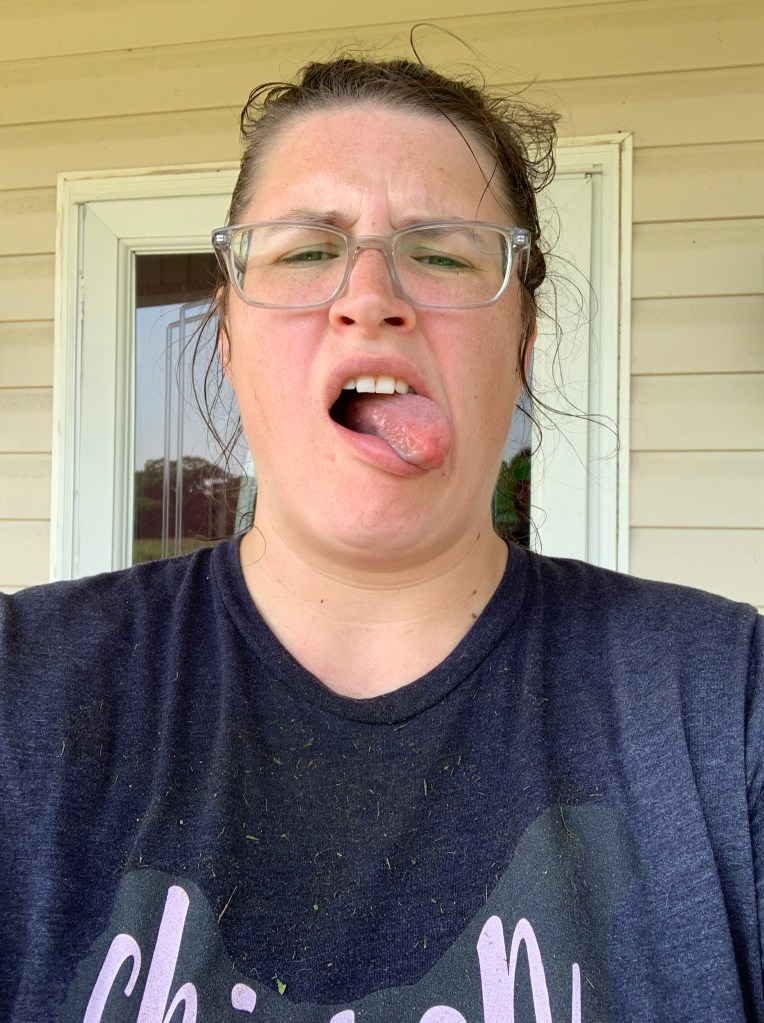
Gardening is done. I might die. Let’s go inside.
Four+ hours of hard labor. Worth it!
My family gets some wholesome food. Glad I did it.
Yes, Rocky, it was a long but a good day. Let’s do it again tomorrow.

No occupation is so delightful to me as the culture of the earth, and no culture comparable to that of the garden.

Thomas Jefferson

Today’s Harvest & A Late Summer Seed Splurge

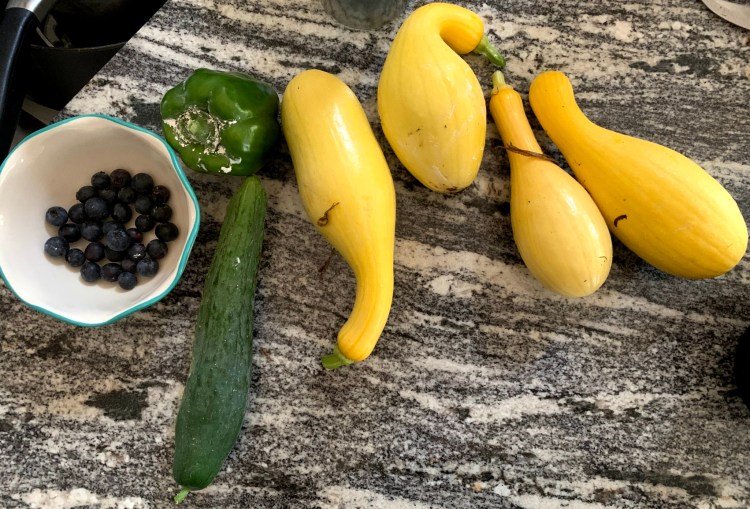
Yesterday’s haul. Two types of cucumbers. The curled ones were of a variety that curled after all of the rains we received last month. The straight ones are Slicers by Burpee. I don’t think they are heirloom, but they have weathered our heat here in NC and the rains very well, and taste pretty good.

So, one thing that is great about drunk shopping when you like plants is that you can go crazy on Etsy buying seeds, and still end up spending less than $100. Wine + Etsy + Me on a weekend in PJs has proven to be quite the combination! Also, instead of ornamentals I usually buy food plants, so I rationalize that I’m actually investing in my family’s grocery future.

The cukes in the above photo were from several of my cucumber plants this weekend. My squash were taken out by squash bugs a few weeks back, but luckily squash bugs aren’t much for cucumbers, so I still have those.

I was disappointed that the heirloom cucumbers started curling. I am currently attributing it to the pretty constant rains we received a few weeks ago, but I am also pumping up the fertilizer just in case it was a feeding issue. I’ve learned that plants in this family tend to be heavy feeders.

The green tomatoes are of a few different varieties. I was disappointed to have to trim them back, but I didn’t provide a ton of spacing in the bed they were in. I’m learning to pay close attention to the spacing guidelines, because while they seem aggressive when you plant your started plants, they are typically right on! On the positive side, I’m going to have some fried green tomatoes for lunch. The larger one is from my Cherokee purple, and I cannot WAIT to get some tomatoes off of that bush! If they were closer to red I’d put them in a sunny window, but honestly, I’ve been looking for an excuse to have some yummy FGTs!

Other things I’ve learned:

  • I didn’t plant enough of my corn this year. While we grilled it this weekend and it was delicious, it wasn’t fully pollinated, so the top bit and a few interspersed kernels on each were left unpollinated. Since researching, I’ve decided next time I plant it I will do a full block, so pollinators can navigate between the stalks easier.
  • I didn’t plant enough okra, either. While I’m improving on my yield planning (Google is getting tired of my How much *** do I need to plant for a family of four searches), I miscalculated my Okra as well. I’ve ended up with a handful of pods every day. Almost enough for a meal, but not quite! I’m going to use this year’s crop for seed and plant them next year in another block.
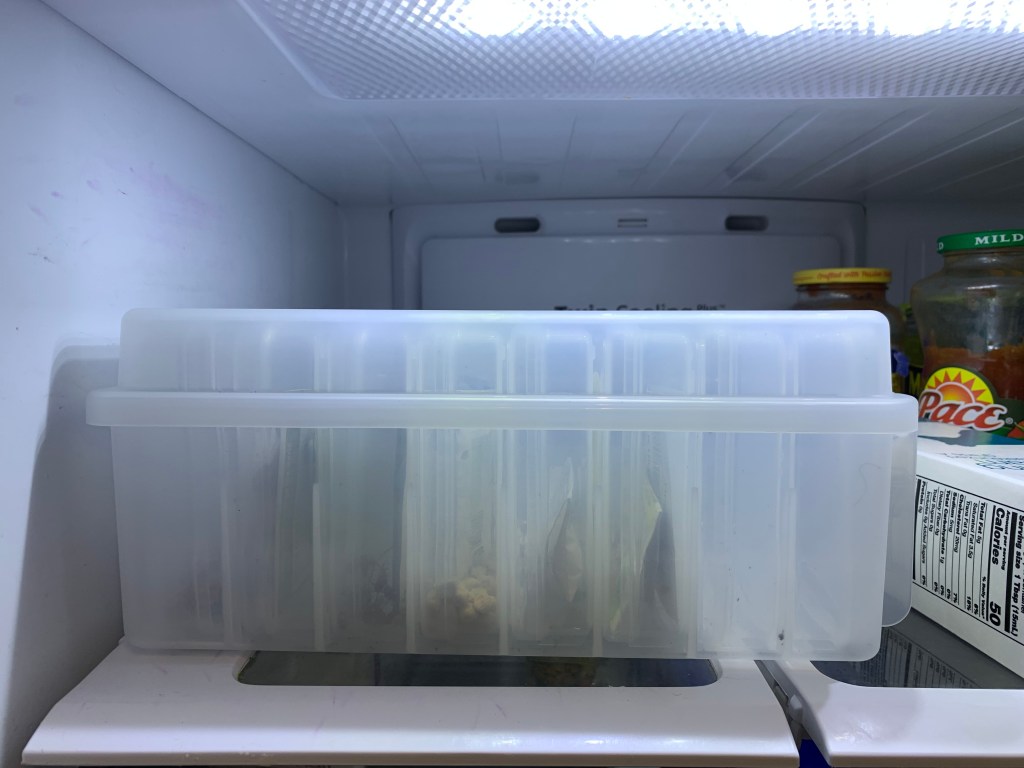
  • I have a great seed organizer. Proud to say I saw it highlighted in Mother Earth News this month after I’d had mine for a bit (link for reference, but unfortunately, the product was only highlighted in the print edition). If you want one as well, I bought mine from Amazon here. (Commission Link).
I actually have two of these – you’d be surprised how fast you collect seeds as you learn how!

On the seed front, even though they are cheap, I have a challenge to myself to only buy what is critical for my homestead. I buy seeds that are hard to replicate, or for new plants I don’t have. I’m not a fan of reusing grocery store produce as most of the time they are hybrid varieties and have been around pesticides. That being said, I’m not offended by non-organic produce, but I do try to limit exposure, and I do try to stick with heirloom when I can.

Why are they in the fridge? Well, I have several extra, and am constantly picking up spare coriander from my cilantro plant, etc, and I want to save them until next year. If I put them in the fridge they will keep longer. Cross your fingers for me – this is the first year I’ve tried this!

It was a tongue in cheek moment when my hybrid cucumbers came out so pretty and my heirlooms curled, but they taste the same and I think I figured out how to fix it going forward.